Balance and meta terms explained: nerf, buff, meta and more
The vocabulary of a game that keeps changing: who got stronger, who got weaker, and what everyone is playing this week.
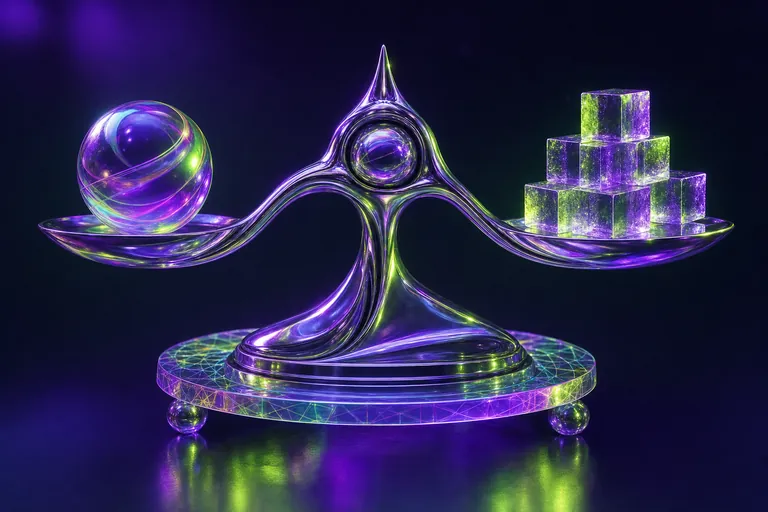
Many modern games are never truly finished. Developers release updates that adjust numbers and rules, and players respond by changing how they play. Over time a whole vocabulary has grown up around that cycle, and it is some of the most common jargon you will hear from players of online games.
Making things stronger or weaker
When an update makes a weapon, character or ability weaker, it has been nerfed. When it gets stronger, it has been buffed. Something judged far too strong is called overpowered, or OP. These changes arrive in a patch, or in an urgent hotfix when something is badly broken. Power creep describes the tendency for new content to be slightly stronger than old content, so that power levels rise over the years.
What the community decides is best
The meta is the set of strategies most players currently consider strongest. It is shaped by balance changes but also by players’ discoveries. A tier list ranks options from best to worst, usually as one person’s or one community’s opinion. Min-maxing means squeezing every bit of efficiency out of a character, and your build is the overall combination of choices you have made.
Numbers, luck and unintended tricks
DPS, or damage per second, is the most common way of comparing damage output. RNG refers to the randomness built into a game and, by extension, to luck. Cheese is a cheap or unintended tactic that beats a challenge more easily than the designers intended.
For new players and parents, the main thing to know is that none of this is required. Games are designed to be enjoyable without following the meta, and many players happily ignore it. But when a child says their favourite character “got nerfed”, these entries explain exactly what they mean.
Every balance & meta entry
- BuffA buff is a boost: either an update that makes something stronger, or a temporary effect that improves a character during play.
- BuildA build is the particular combination of skills, equipment and choices a player uses to shape how their character plays.
- CheeseTo cheese a game is to beat a challenge using an unusual, cheap or unintended tactic rather than the expected skill.
- DPSDPS means damage per second, a measure of how quickly something deals damage, and also names the team role focused on dealing it.
- HotfixA hotfix is a small, urgent update released quickly to fix a serious problem, often without a full patch cycle.
- MetaThe meta is the set of strategies, characters and equipment that players currently consider most effective in a game.
- Min-maxingMin-maxing means building a character to be as strong as possible in one area by sacrificing weaker, less useful areas.
- NerfTo nerf something is to make it weaker in an update, usually because it was too strong compared with everything else.
- OP (overpowered)Calling something OP, short for overpowered, means it is stronger than it should be compared with the rest of the game.
- PatchA patch is an update that changes a game after release, fixing bugs, adjusting balance or adding content.
- Power creepPower creep is the gradual rise in strength of new content over time, which makes older characters or items feel weak.
- RNGRNG stands for random number generator, and players use it to mean the luck or chance built into a game.
- Tier listA tier list ranks characters, weapons or other options into groups from strongest to weakest, usually labelled S, A, B, C and so on.